



Hi — I’m Tye, and I’m on a mission to find and tell the stories of how people are carrying culture forward through everyday food.
Subscribe below to get updates delivered directly to your inbox. No Substack account required.
Hello, family, and welcome to Issue 12.
My good friend Natalia won a fancy-pants lawyer award this weekend.
I’ve been to a lot of galas, lemme tell ya, and this one was different. The table was filled with Natalia’s family, biological and chosen. We broke bread (specifically, some type of roll that brought my brain straight to pão de queijo), drank a lot of wine, laughed, and celebrated.
It felt more like a family meal than anything else.
I obsess about this stuff probably more than the average human, but think about the care that goes into creating moments like those! They can feel effortless from the outside. But someone has to actually make them happen.
With the holidays approaching, most of us will start thinking about the family food traditions and stories we cherish and want to hold on to. But wanting to remember something and figuring out how to capture it are two different things.
Today’s issue is taking a step back to reflect on a few of the ways, small and big, you all are doing just that.
I hope you find these gestures as inspiring as I have. And maybe you’ll even pick up an idea or two that you want to try out this holiday season 🧡.

Making a whole thing of it
It’s been really fun to uncover how many people are making entire creative projects out of exploring their family food histories. One of my recent faves is Afia Amoako, the author of No Plantains Left Behind, who managed to write and publish a cookbook while getting her PhD.
What I love about Afia’s work is how she connects the food on people’s tables to the political and economic forces shaping their lives. In one project, she spent a week exploring what it would have been like to eat in 1970s Ghana.

I’ve also been really enjoying the work of cocemomo, a Japanese writer and photographer who takes a completely different approach. She shares beautiful little snapshots of everyday life in Japan, from fermenting vegetables in rice bran to making homemade miso. Her work captures family tradition not as something frozen in the past, but as something she’s actively learning, experimenting with, and making her own. Even when it’s just a few sentences, her stories are packed with insight about family and carrying on tradition in her own way.

Closer to home, Natalia decided 20 years ago to document her mother Lucy’s Puerto Rican recipes in a cookbook her family could keep forever. Tareah’s working on something similar, testing and documenting her mother’s Nigerian recipes one at a time. (Read more about both of their stories in Issue 3).
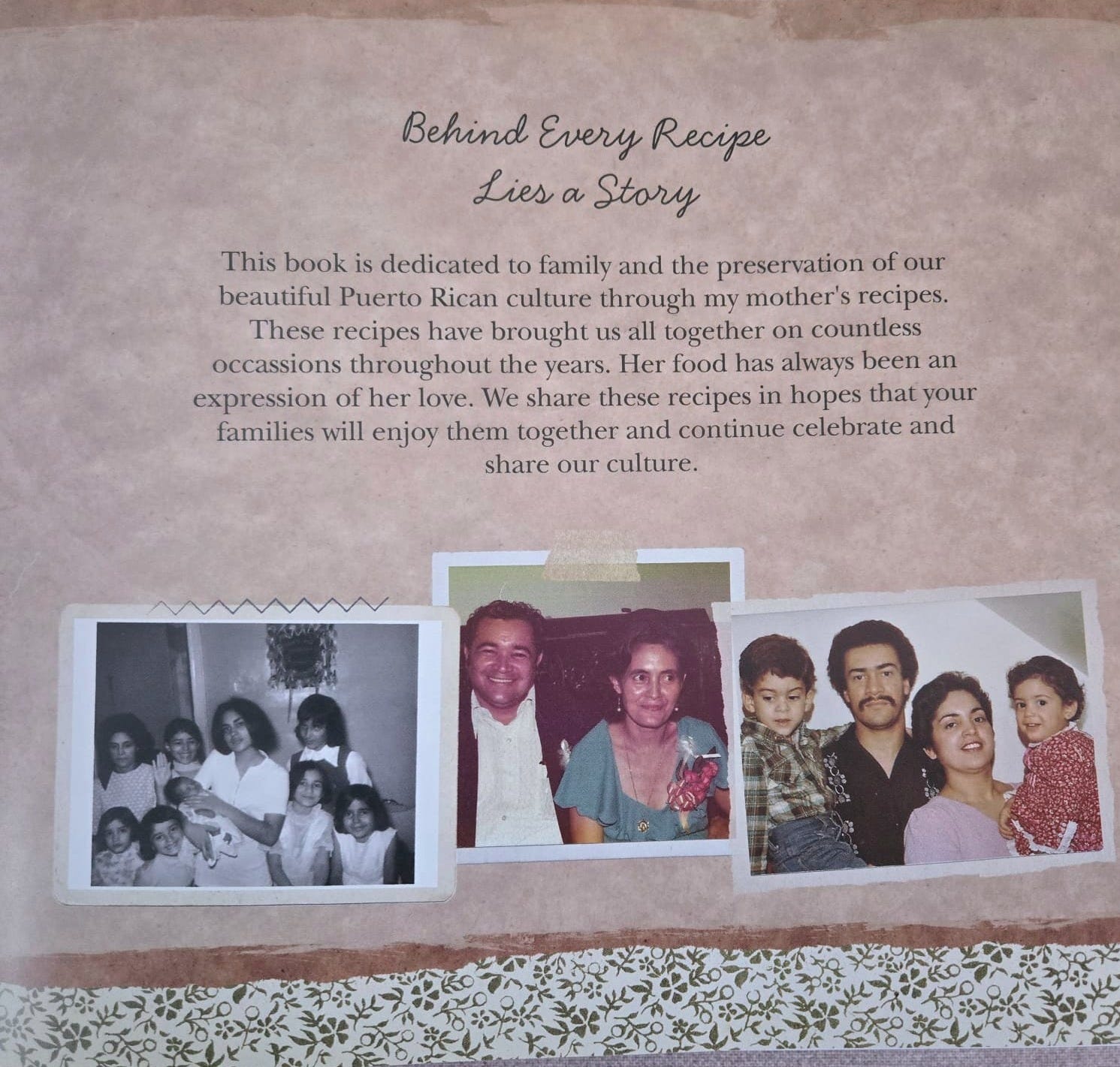
I love that these projects are as different as the people behind them. Some are deeply personal keepsakes. Others invite the whole world along for the ride. But they all reflect a deep love and willingness to invest in the stories and recipes that might otherwise go untold.
Not overthinking it
As someone who has not had the wherewithal to collect the details of her family recipes into a beautiful printed book, I’ve had to embrace that perfect simply cannot be the enemy.
That’s the whole motivation behind this newsletter: writing it down imperfectly is better than not writing it down at all.
Putting this into practice has meant pulling out my phone to record my grandmother reciting a recipe with absolutely no measurements, calling my mother to eke out the details of the dumplings she made when I was growing up, and jotting down random memories in my Notes app, even when I’m not quite sure what to do with them yet.
Voice memos: a gal’s best friend
When Yema Gbondo wanted to recreate her mother’s Sierra Leonean jollof rice, her sister-in-law had her covered. During a visit from across the pond, she’d photographed Yema’s mother cooking it and recorded a voice note for Yema to explain the recipe.
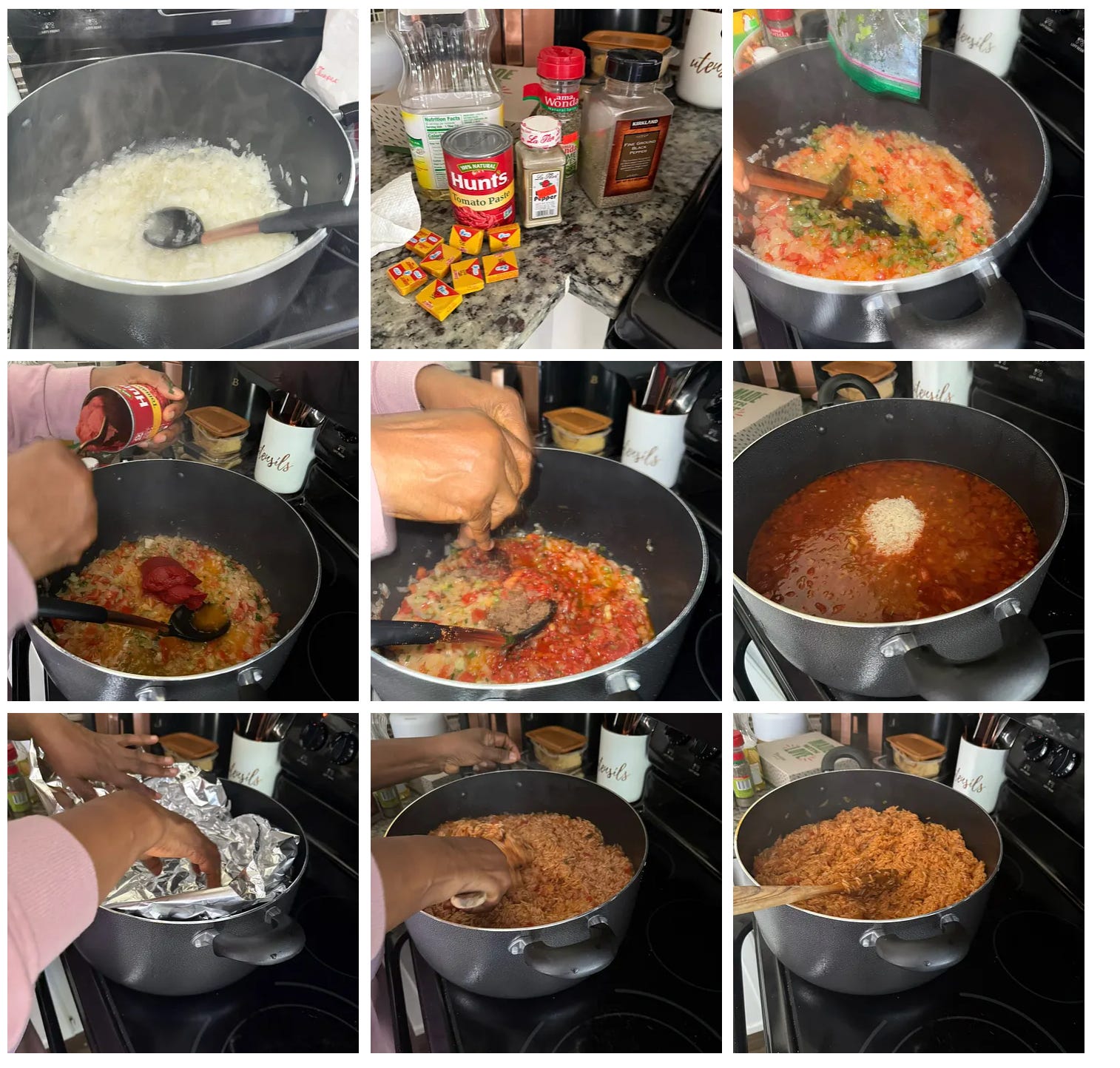
“Be careful with that white pepper,” she warns midway through.
My favorite part comes at the very end, when her toddler very adorably adds to their family story.
Sometimes, the most important thing is capturing the technique and figuring out the measurements later. Gunjan and her mother have been experimenting with a new version of her mom’s rajma, a North Indian kidney bean curry, adding soy protein to the dish Gunjan grew up eating (because gains). They’re figuring it out as they go, working from her mother’s instincts, filling in missing measurements, and even enlisting a little help from AI.
They’re continuing to evolve Gunjan’s childhood favorite into something of their own, together.
And then there are the people who sit down and write — not a cookbook or a meticulously researched family history, but a short, thoughtful reflection about one memory. The writing process itself can help us understand why a specific experience is so meaningful to us, or figure out the pieces we want to learn more about.
The thing is, we don’t have to know what the finished product will look like, or whether there will ever be a finished product at all.
Calling in reinforcements
Sometimes the best thing to do is invite someone else in to help 😉.
Truthfully, that’s how most of the stories in Never Precious have come to life. People have generously shared their memories, dug up old family photographs, and invited me into their homes and kitchens. They’ve trusted me to listen, ask a few more questions, and turn our conversations into something we can share with the world.
Cooking with your mamas
Mrs. Tiamson happened to call while I was in the middle of interviewing her daughter and ended up inviting us over to learn how to make her Filipino tamarind soup, sinigang.
She even sent me home with tamarind powder from the Philippines 🤗.


That’s exactly how I ended up publishing Debbie Bredbenner’s beautiful recollections of childhood crab feasts on the Chesapeake Bay. What began as a conversation about growing up in Maryland turned into such a relatable story about a specific childhood memory that has stayed with her for decades.
The more stories I hear, the more convinced I become that the most important part of this journey isn’t really about exactly what or how we document. It’s caring enough to try.
If you have a family food story you’ve been meaning to capture, but haven’t quite figured out how, consider inviting me over. I’ll bring the questions. And a fork.
Phone calls work too 🧡.
Never Precious is published by Tyeesha Dixon,
with production support from Deseree Chacha.
Thank you so much for introducing my work, Tyeesha! So honored!
Yema* sorry🪴